
How to Train for a Turkey Trot in 4–6 Weeks
Have you signed up for a Thanksgiving Turkey Trot but feel unsure about how to prepare? You are not alone. Many people take part in a Turkey Trot to enjoy a fun morning, spend time with family, or complete their first 5K.
A Turkey Trot is often a community running or walking event held around Thanksgiving. Many races cover 5 kilometers, which is about 3.1 miles. You do not have to be a fast runner to take part. Depending on the event rules, you may be able to run, walk, or use a mix of both.
If your race is four to six weeks away, you still have time to build a simple training routine. The key is to start at a level that matches your current fitness, increase your activity gradually, and allow time for rest.
This beginner-friendly guide explains how to train for a Turkey Trot in 4–6 weeks, even if you are new to running. It includes a flexible schedule, walking options, race-day tips, and advice for recovering afterward.
Remember that the goal is not to become a competitive runner in a few weeks. The goal is to prepare sensibly, enjoy the experience, and finish at a pace that feels manageable for you.
Table of Contents
- Who This Plan Is For
- A 4–6 Week Schedule
- Walking Is Fine
- Race-Morning Basics
- After the Race
- Frequently Asked Questions
- Key Takeaways
- Conclusion
1. Who This Plan Is For
This Turkey Trot training plan is designed for adults who want to prepare for a community 5K without following a demanding running program.
It may suit you if you are new to running, returning after a long break, or hoping to complete a Thanksgiving event at a comfortable pace.
You do not need to run the full distance during training to make progress. Walking, short running intervals, and steady movement can all help you prepare.
Beginners Who Want to Complete Their First 5K
If you have never completed a 5K, the distance may seem challenging at first.
A 5K is approximately 3.1 miles. Your preparation should focus on gradually becoming comfortable with time spent walking or running rather than trying to cover the full distance immediately.
Start with a level of activity you can manage without excessive strain. If you can comfortably walk for 15–20 minutes, you may be able to begin with short, easy sessions and build from there.
If that amount of walking feels difficult, begin with shorter sessions. There is no need to rush.
People Returning to Exercise
You may have run before but stopped because of work, family responsibilities, illness, or other changes in your routine.
In that case, avoid assuming that your previous fitness level is still the same. Begin with manageable sessions and give your body time to adjust.
A few consistent workouts each week are more useful than one very hard session followed by several days of exhaustion.
Walkers and Run-Walk Participants
You do not have to run the entire Turkey Trot to take part.
Many community events welcome walkers, although you should check the specific event’s rules, course cutoff time, and accessibility information before registering.
A run-walk approach can help you manage your effort. You might jog briefly, walk until your breathing feels comfortable, and repeat the pattern.
If your goal is simply to enjoy the event and finish comfortably, walking can be a perfectly reasonable choice.
Who Should Adjust This Plan?
This is a general beginner plan, not an individualized training program.
If you have a health condition, have been inactive for a long time, or are unsure whether exercise is appropriate for you, ask a qualified healthcare professional for guidance before beginning.
Stop exercising if you experience chest pain, faintness, unusual severe shortness of breath, or other concerning symptoms. Seek appropriate medical care when needed.
2. A 4–6 Week Schedule
The schedule below gives you two ways to prepare, depending on how much time remains before race day.
If you have six weeks, use the six-week version for a gradual build-up. If you have only four weeks, follow the shorter version without trying to make up for missed training.
Both plans include easy activity and rest days. You can adjust the sessions to match your current fitness.
How to Use the Schedule
Aim for three planned activity sessions per week, with rest or gentle movement between harder days.
For each session:
- Begin with five minutes of comfortable walking.
- Keep your pace easy enough that you can speak in short sentences.
- Finish with a few minutes of slower walking.
- Stop or reduce the effort if you feel unwell or develop pain that changes how you move.
The times below are examples, not requirements. Repeat a week if you need more practice before progressing.
Six-Week Beginner Turkey Trot Plan
| Week | Session 1 | Session 2 | Session 3 |
|---|---|---|---|
| Week 1 | Walk for 15–20 minutes | Walk for 15–20 minutes | Walk for 20–25 minutes |
| Week 2 | Walk for 20 minutes | Walk for 20 minutes, adding short easy jogs if comfortable | Walk for 25 minutes |
| Week 3 | Walk or use short run-walk intervals for 20–25 minutes | Repeat an easy run-walk session | Walk for 25–30 minutes |
| Week 4 | Easy walk or run-walk for 25 minutes | Easy walk or run-walk for 25 minutes | Walk for 30–35 minutes |
| Week 5 | Easy session for 25–30 minutes | Short, comfortable run-walk session | Walk or run-walk for 35–40 minutes if manageable |
| Week 6 | Easy walk or run-walk for 20–25 minutes | Short, easy session early in the week | Rest or take a gentle walk before race day |
The longer sessions are optional targets. Do not force yourself to reach them if they feel too difficult. If you are not yet comfortable walking for 30 minutes, continue at your current level and consider choosing a shorter event.
Four-Week Beginner Turkey Trot Plan
If your event is only four weeks away, focus on consistency rather than speed.
| Week | Session 1 | Session 2 | Session 3 |
|---|---|---|---|
| Week 1 | Walk for 15–20 minutes | Walk for 15–20 minutes | Walk for 20–25 minutes |
| Week 2 | Walk for 20–25 minutes | Try short, easy jogs if comfortable | Walk for 25–30 minutes |
| Week 3 | Walk or run-walk for 25 minutes | Easy walk or run-walk for 20–25 minutes | Longer comfortable walk, if manageable |
| Week 4 | Easy session for 20–25 minutes | Short, gentle session early in the week | Rest or take a light walk before race day |
Four weeks may not be enough for every beginner to prepare comfortably for a continuous 5K run. That is fine. Plan to walk or use run-walk intervals if needed, and do not try to squeeze several missed workouts into the final days.
How Hard Should You Train?
Most sessions should feel easy to moderate.
You should generally be able to talk while moving. If you are breathing so hard that speaking becomes difficult, slow down or walk.
You do not need sprint workouts or hard intervals to prepare for a relaxed community event.
Rest is also part of training. Your body needs time to recover between sessions, particularly when you are new to exercise.
Avoid increasing your training time sharply from one week to the next. If a session leaves you unusually tired or sore, repeat an easier week rather than pushing ahead.
3. Walking Is Fine
One of the biggest mistakes beginners make is believing that a 5K only counts if they run every step.
That is not true. Your personal goal may be to finish the distance, enjoy the atmosphere, or participate with friends and family.
Walking can help you build endurance and become more comfortable spending time on your feet.
Try a Run-Walk Approach
If you want to introduce running, start with short, comfortable intervals.
For example, after warming up, you could jog gently for 30 seconds and walk for two minutes. Repeat this pattern for a few rounds if it feels manageable.
You can gradually adjust the intervals as your fitness improves. There is no requirement to increase them every week.
If jogging feels uncomfortable, continue walking instead. You can still prepare for an event that allows walkers.
Practice the Pace You Plan to Use
Training is a good time to learn what a comfortable pace feels like.
If you intend to walk the Turkey Trot, include regular walks in your weekly routine. If you plan to alternate between running and walking, practice that approach before race day.
You do not need to complete the full 5K during every workout. Instead, gradually build your ability to remain active for longer periods.
If you are concerned about finishing within the event’s time limit, check the organizer’s rules. Some races close the course after a set period, and requirements vary by event.
Choose Comfortable Clothing and Shoes
You do not need expensive equipment to start training.
Wear comfortable clothes that allow you to move freely. Choose shoes that fit well and feel supportive during walking or running.
Avoid trying brand-new shoes for the first time on race morning. If you buy new footwear, give yourself time to test it during ordinary training sessions.
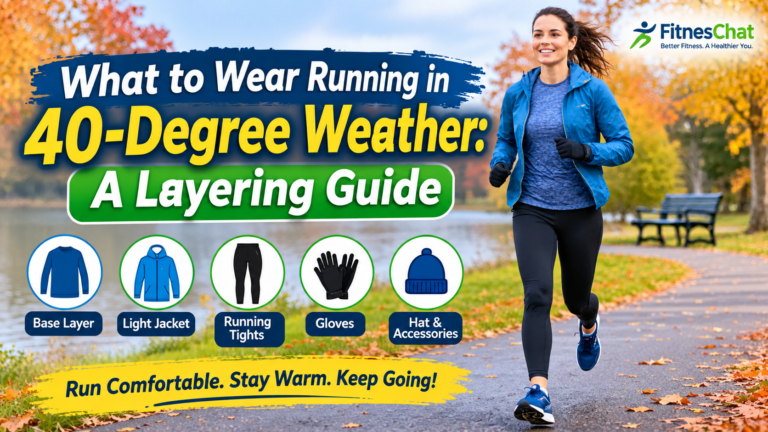
For a late-November event, check the local forecast before choosing your race-day outfit. You may need layers, gloves, or a hat depending on the temperature and weather.
Make Training Fit Your Life
A beginner training plan should work with your schedule.
If you miss a workout because of work, family responsibilities, or poor weather, simply return to your routine when you can. Do not double your next session to compensate.
You can split activity into shorter periods if that makes it easier to stay consistent. A short walk during a busy day can still be useful.
The most important thing is to prepare at a pace that suits you.
4. Race-Morning Basics
After several weeks of preparation, race morning should feel familiar rather than stressful.
A little planning can help you focus on the experience instead of rushing to find your belongings or worrying about what to eat.
Check the Event Details
Before race day, confirm the event’s start time, location, parking arrangements, registration requirements, and course information.
Check whether participants must collect a race number or check in before starting. Find out whether the event welcomes walkers and whether there is a cutoff time.
If you are bringing children or family members, review the organizer’s rules and plan where you will meet after the event.
Do not assume that every Turkey Trot follows the same schedule or format.
Eat and Drink Normally
Choose a familiar meal or snack that you know sits comfortably with your stomach.
If you usually eat before morning exercise, have something light enough to digest before the start. Allow enough time to get ready without rushing.
Drink water according to your needs and the weather. There is no need to force yourself to drink large amounts immediately before the race.
Avoid experimenting with unfamiliar foods, supplements, or energy products on race morning.
Dress for the Weather
Late November can bring cool temperatures in many parts of the United States, but conditions vary widely by location.
Check the forecast the night before and again in the morning.
Dress comfortably for the expected conditions. Several light layers may be more practical than one heavy layer because you can adjust them as you warm up.
If rain, wind, ice, or unusually cold temperatures create unsafe conditions, follow event updates and local guidance.
Arrive Early
Give yourself enough time to park, use the restroom, check in, and find the starting area.
Arriving early can reduce stress and help you begin calmly.
Before the start, walk gently for a few minutes. You can also move your ankles, shoulders, and hips through comfortable ranges of motion.
Avoid doing a hard workout as a warm-up. You want to feel ready, not tired.
Start Slowly
When the race begins, resist the urge to follow faster runners.
The excitement of the crowd can make it easy to start too quickly. Instead, begin at a pace that feels comfortable.
If you are using a run-walk strategy, follow the pattern you practiced. If you are walking, choose a steady pace that allows you to keep moving without exhausting yourself.
Pay attention to other participants and follow the event’s instructions. Leave enough space around you, particularly near turns and crowded areas.
Remember that you do not have to compete with anyone. Your goal is to complete the event safely and enjoy the experience.
5. After the Race
Finishing your first Turkey Trot is something to feel good about, whether you ran, walked, or used a combination of both.
After the finish line, give yourself time to recover instead of immediately rushing into other activities.
Cool Down Gently
If you feel comfortable, walk slowly for several minutes after finishing.
This allows you to reduce your activity gradually rather than stopping abruptly after sustained movement.
If you feel dizzy, faint, unusually short of breath, or experience chest pain, stop and seek appropriate medical help rather than trying to walk it off.
Drink Water and Eat a Normal Meal
Have water according to your thirst and the conditions.
Enjoy a normal meal or snack that provides energy and suits your preferences. You do not need special recovery products after a recreational 5K.
If the event takes place before Thanksgiving dinner, enjoy your usual food without feeling that you must earn it through exercise.
One race does not require a strict diet afterward.
Give Your Body Time to Rest
You may feel tired or have mild muscle soreness after the event, particularly if you are new to running.
Take an easy day or two if needed. Gentle walking may feel comfortable, but there is no need to start another hard workout immediately.
If you develop severe pain, significant swelling, or symptoms that concern you, seek medical advice.
Celebrate Your Progress
Think about what went well.
Perhaps you completed your first 5K, stayed active for longer than before, or enjoyed spending time with family and friends.
You can use the experience to decide what you want to do next. Maybe you will continue walking regularly, follow another beginner running plan, or sign up for a future community event.
There is no need to rush into another race. Building a lasting exercise habit matters more than immediately chasing a faster time.
Frequently Asked Questions
1. Can I train for a Turkey Trot in four weeks?
Some beginners can prepare to participate in a 5K over four weeks, especially if they already walk regularly. However, four weeks may not be enough to prepare everyone for continuous running. Use a walk-friendly plan, progress gradually, and adjust your race-day goal to your fitness level.
2. Do I need to run the whole 5K?
No. Many community Turkey Trots welcome participants who walk or alternate between walking and running. Check the rules of your specific event, including any course cutoff time.
3. How many days a week should a beginner train?
Three planned activity sessions per week can be a manageable starting point for many beginners. Allow time for recovery between sessions and adjust the schedule to suit your current fitness.
4. What if I cannot finish a 5K during training?
You do not necessarily need to complete the entire distance during training. Focus on gradually improving your comfort with walking or running. If you are unsure whether you can finish the event safely, consider a shorter distance or another event with suitable rules.
5. Should I run every day before the race?
No. Daily running is not necessary for this beginner plan. Rest days give your body time to recover and may help you avoid excessive fatigue. Easy walking on a recovery day is optional if it feels comfortable.
6. What should I eat before a Turkey Trot?
Choose familiar food that you know you tolerate well before exercise. Avoid experimenting with unfamiliar meals or supplements on race morning. The amount and timing depend on your preferences, schedule, and comfort.
7. What should I wear for a Thanksgiving 5K?
Wear comfortable clothing suitable for the local weather. In cool conditions, light layers may help you stay comfortable. Choose shoes you have already tested during training rather than wearing unfamiliar footwear for the first time.
8. Is walking enough preparation for a Turkey Trot?
Walking can be useful preparation if your goal is to complete the event on foot. Gradually build your walking time and check the event’s rules. If the course has a time limit, make sure your planned pace is realistic.
9. What if I miss several training sessions?
Do not try to make up every missed session at once. Return to a manageable level of activity and allow enough recovery time. If the event is very close and you are not prepared, consider walking, choosing a shorter event, or skipping it.
10. Should I train harder during the final week?
The final week is not the time to force rapid fitness gains. Keep activity easy, avoid unusually long or intense sessions, and prioritize rest before race day.
Key Takeaways
- A Turkey Trot 5K is about 3.1 miles.
- Four to six weeks can provide time to prepare for participation, but individual readiness varies.
- Begin at a level that matches your current fitness.
- Plan three manageable activity sessions per week if appropriate for you.
- Walking and run-walk intervals are valid options.
- Increase activity gradually and include rest days.
- Check the event’s rules, start time, course, and cutoff requirements.
- Wear comfortable clothing and shoes that you have already tested.
- Start slowly on race morning and adjust your effort as needed.
- Recover with gentle movement, normal meals, and adequate rest.
Conclusion
Training for a Turkey Trot in 4–6 weeks does not have to be complicated. With a simple schedule, steady practice, and realistic expectations, you can prepare for a Thanksgiving community event without making every workout difficult.
Start with walking if you are new to exercise. Add short running intervals only when they feel manageable. Give yourself rest days, pay attention to how your body responds, and avoid trying to make up for missed sessions by training too hard.
On race morning, arrive early, dress for the weather, and begin at a comfortable pace. Walk whenever you need to, follow the event’s instructions, and focus on enjoying the experience.
Your first Turkey Trot does not need to be fast to be meaningful. Completing the event at a pace that suits you is a worthwhile goal.
Medical disclaimer: This article is for general educational purposes only and does not replace professional medical advice. Your appropriate activity level depends on your health, fitness, and personal circumstances. Consult a qualified healthcare professional if you are unsure whether beginning an exercise program is suitable for you.