Running in the Dark: 10 Essential Safety Tips
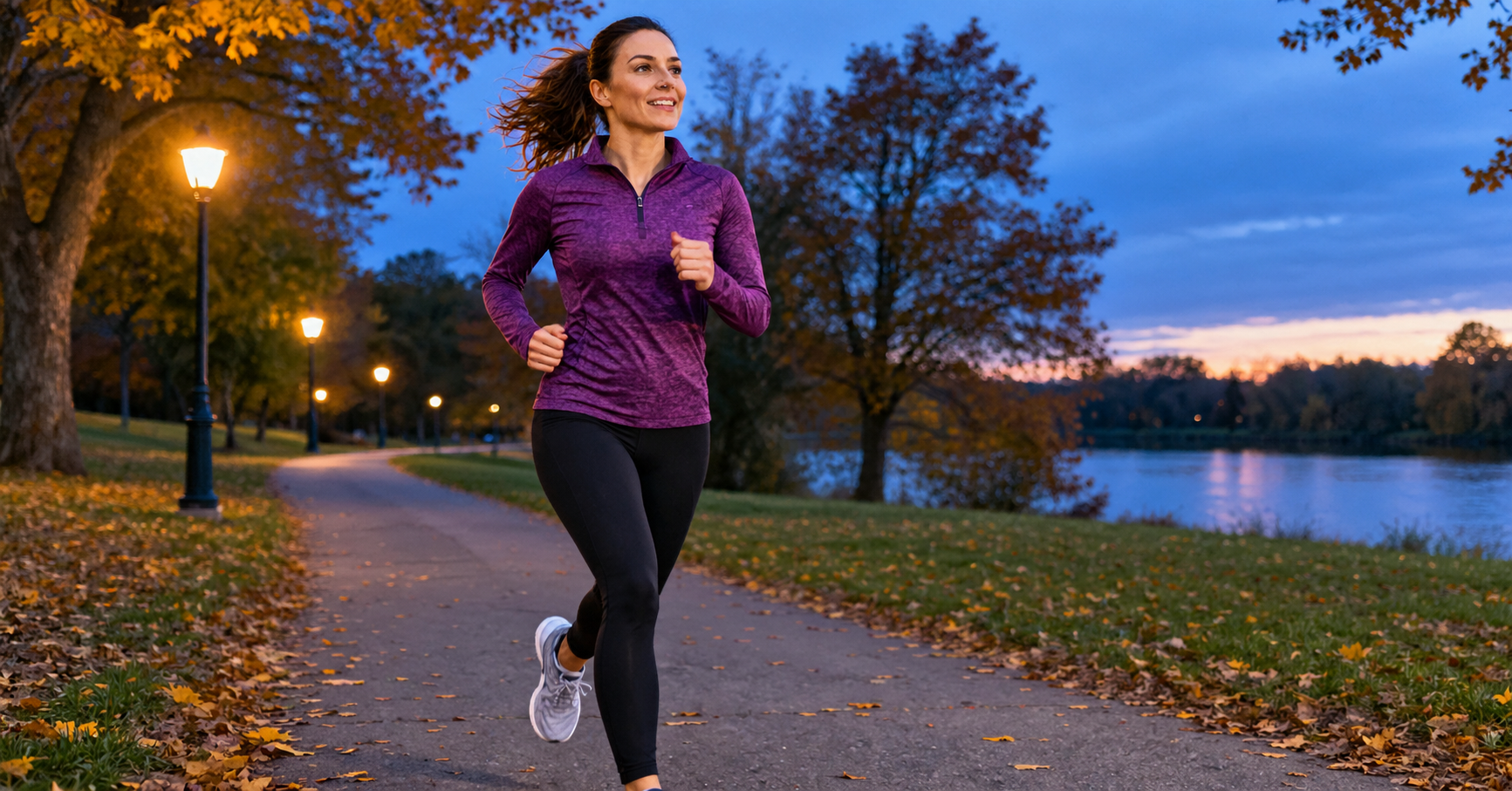
Running early in the morning or after sunset can be a great way to stay active. You may have a busy workday, family responsibilities, or other plans that make daytime running difficult. Running in the dark can help you fit exercise into your daily routine.
However, running when visibility is low requires extra care. Drivers may have trouble seeing you, familiar paths can look different in low light, and uneven ground may be harder to notice.
The good news is that a few simple habits can make your runs safer and more comfortable. You do not need expensive equipment or a complicated safety plan. Choosing a sensible route, staying aware of your surroundings, and making yourself visible can help you make better decisions.
This guide explains how to run safely before sunrise or after sunset, including practical tips for beginners and experienced runners.
Table of Contents
- Why the Time Change Matters
- Pick Safer Routes and Times
- Be Seen Without Special Gear
- Pace and Awareness
- Tell Someone Your Plan
- Frequently Asked Questions
- Key Takeaways
- Conclusion
1. Why the Time Change Matters
As the seasons change, sunrise and sunset times change too. During autumn and winter, many people find themselves running in the dark even when they leave home at their usual time.
For example, you might normally finish work and go for a run before sunset. As the days become shorter, that same run may begin in dim light or complete darkness.
Low light changes what you can see and what other people can see about you.
Drivers May Have Trouble Seeing Runners
Drivers have less time to notice people when visibility is poor. Dark clothing can make a runner harder to see, especially on roads without good street lighting.
A driver may also be watching for other vehicles, cyclists, or pedestrians. Never assume that a driver has noticed you.
When possible, choose a route with sidewalks, safe crossings, and good lighting. Avoid running directly beside fast-moving traffic when a safer alternative is available.
Familiar Routes Can Look Different
A path that seems easy during the day may feel different at night. Shadows can hide cracks, tree roots, loose gravel, and other obstacles.
You may also have more difficulty spotting puddles, changes in the path, or objects left on the ground.
Running in low light can affect your ability to judge distances and notice movement around you. Give yourself extra time and avoid rushing through unfamiliar areas.
Your Routine May Need to Change
You do not have to stop running when the days get shorter. Instead, think about adjusting your routine.
You might run earlier, choose a better-lit route, use an indoor treadmill, or complete your workout during daylight on some days.
If you enjoy morning exercise, you can also read our guide to the 7 amazing benefits of running in the morning. Replace this placeholder with the published article URL before publishing.
The goal is simple: keep running while making sensible choices for the conditions.
2. Pick Safer Routes and Times
Your route is one of the most important parts of running safely in the dark. A little planning before you leave can help you avoid unnecessary risks.
Choose Familiar, Well-Lit Routes
Whenever possible, run on routes you already know. Familiar paths make it easier to remember turns, crossings, and places where the ground may be uneven.
Look for routes with:
- Working streetlights or other reliable lighting.
- Sidewalks or paths separated from vehicle traffic.
- Clearly marked pedestrian crossings.
- Smooth, well-maintained surfaces.
- Public areas where other people are present.
- Safe places to stop if you need help.
A popular daytime route is not automatically a good nighttime route. Check whether the path remains accessible and well-lit after sunset.
Parks and trails may close at certain hours. Check posted rules and opening times before using them.
Avoid Isolated Areas
A quiet route may feel peaceful, but a completely isolated area can make it harder to get assistance if something goes wrong.
Whenever possible, choose public routes where other people are likely to be nearby. Avoid poorly lit shortcuts, abandoned areas, and paths with limited visibility.
If you are exploring a new route, visit it during daylight first. You can check the surface, crossings, and surroundings before deciding whether it is suitable for a nighttime run.
Plan Your Route Before Leaving
Decide where you will start, where you will turn around, and approximately how long you expect to be away.
If you use a running app, check the route before beginning rather than looking at your phone while moving.
You should also consider the weather. Rain, fog, and wet surfaces can make low-light running more difficult. Strong winds or very cold conditions may also affect your comfort.
If the weather makes outdoor running unsafe, choose an indoor workout instead.
Choose the Best Time for Your Situation
If your schedule allows, running during daylight is often the simplest way to improve visibility.
If you must run before sunrise or after sunset, choose a time when your preferred route is accessible and adequately lit. Consider whether traffic is heavier at that time and whether you feel comfortable in the area.
There is no single best running time for everyone. Your route, local conditions, personal comfort, and daily schedule all matter.
3. Be Seen Without Special Gear
You do not need a large collection of running products to improve your visibility. Start with simple choices that help other people notice you.
Wear Clothing That Stands Out
Dark clothing can blend into the background at night. Whenever possible, wear a light-colored or brightly colored top.
White, yellow, and other noticeable colors may help your body stand out against the surroundings. However, bright clothing alone does not guarantee that drivers will see you.
If you already own a light-colored shirt, use it for low-light runs. You do not need to buy a completely new outfit.
Use Reflective Details When Available
Reflective material can help you become more visible when light from vehicle headlights or other sources shines on it.
Check the running clothes and shoes you already own. Some items have reflective strips or small reflective details.
If you regularly run in darkness near roads, dedicated reflective clothing or accessories may be worth considering. Choose items that are comfortable and do not restrict your movement.
Remember that reflective material works best when light reaches it. It does not replace adequate street lighting or careful route selection.
Consider a Light for Dark Paths
A small flashlight or headlamp can help you see obstacles when the path is poorly lit.
A light may be especially useful on routes with uneven surfaces, limited street lighting, or changing ground conditions.
Aim the light so you can see the path without unnecessarily shining it into the eyes of other people. Make sure it is comfortable to carry or wear throughout your run.
You do not need to buy a light for every running situation. Consider the route you use and whether existing lighting provides a clear view of the ground.
Do Not Depend on Clothing Alone
Even bright clothing may be difficult to see in some conditions. Fog, heavy rain, poor street lighting, and visual obstructions can all reduce visibility.
Combine noticeable clothing with a safe route, careful road crossings, and awareness of your surroundings.
When crossing a road, make eye contact with drivers when possible, wait until traffic has stopped, and never assume that a vehicle will give way.
4. Pace and Awareness
Running in the dark is not the best time to push yourself to your fastest pace on an unfamiliar route.
Adjusting your speed and paying attention to your surroundings can help you respond to obstacles and unexpected situations.
Slow Down When Necessary
You may need to run more slowly in low light than you do during the day.
Give yourself enough time to notice changes in the path, people ahead, and vehicles approaching intersections.
Be particularly careful around:
- Uneven pavement and potholes.
- Wet leaves and slippery surfaces.
- Driveways and road crossings.
- Shared paths with cyclists.
- Parked vehicles that may block your view.
- Areas where lighting suddenly becomes weaker.
If you cannot clearly see the ground, slow down or walk until conditions improve.
Walking is a sensible choice when you need better control. You do not have to maintain a running pace throughout the entire workout.
Keep Your Attention on Your Surroundings
Music and podcasts can make running more enjoyable, but they may also distract you from traffic and other sounds.
Consider running without headphones when using roads or unfamiliar paths. If you choose to listen to audio, keep the volume low enough to hear your surroundings and follow local rules.
Avoid looking at your phone while running. Stop in a safe place if you need to check a message, map, or route.
Stay aware of people, bicycles, and vehicles around you. Look ahead regularly instead of focusing only on the ground directly in front of your feet.
Cross Roads Carefully
Road crossings require extra attention after dark.
Use marked crossings and obey traffic signals. Stop before entering the road and check every direction from which traffic may approach.
Do not rely only on the sound of an engine. Quiet vehicles, including electric vehicles, may be harder to hear.
If parked cars, bushes, or other objects block your view, move to a safe position where you can see approaching traffic before crossing.
Never assume that a driver has seen you simply because you are wearing bright clothing.
Avoid Trying to Make Up Lost Time
You might feel tempted to run faster to finish before it gets too late. However, rushing can make it harder to notice hazards.
Focus on completing a safe workout rather than hitting a particular pace or distance.
If the route becomes darker than expected, shorten your run or return by a safer path. It is better to change your plan than to continue under conditions that make you uncomfortable.
5. Tell Someone Your Plan
A simple communication plan can provide an extra layer of safety when you run alone.
You do not need to share every detail of your workout. The goal is to make sure someone knows where you are going and when you expect to return.
Share Your Route
Before leaving, tell a trusted person:
- Which route you plan to use.
- Approximately when you expect to return.
- Whether you are running alone.
- How they can contact you if necessary.
If you change your route significantly, consider letting that person know.
You can also use a location-sharing feature if you and your trusted contact are comfortable with it. Check your privacy settings and share your location only with people you trust.
Keep Your Phone Accessible
A charged phone can help you contact someone if you become injured, lost, or uncomfortable.
Carry it securely so it does not bounce around or interfere with your movement. Before leaving, make sure you know how to contact local emergency services.
A phone is useful, but it does not eliminate the risks of running alone. Continue to choose safer routes and remain aware of your surroundings.
Trust Your Judgment
Pay attention to how you feel about the route and conditions.
If an area feels unsafe, turn around or move toward a more public, well-lit place. You do not need to finish your planned distance to count the workout as worthwhile.
If someone or something makes you uncomfortable, prioritize getting to a safer location rather than continuing your normal routine.
You can also run with a friend or join a local running group when practical. Having another person with you may make the experience more comfortable.
Know When to Stop
End your run or move to safety if you cannot see the path clearly, weather conditions worsen, or the area becomes uncomfortable.
If you fall or experience an injury that makes continuing unsafe, stop and seek appropriate help.
A successful run is not just about distance or speed. Making a sensible decision to stop is also part of good training.
Frequently Asked Questions
1. Is it safe to run in the dark?
Running in the dark can be manageable when you choose an appropriate route, improve your visibility, and stay alert. However, no set of precautions removes every risk. Consider local conditions and choose another time or an indoor workout if you do not feel safe.
2. What should I wear for running in the dark?
Start with comfortable running clothes in light or bright colors. Reflective details may improve your visibility when light shines on them. On poorly lit routes, a flashlight or headlamp may help you see obstacles.
3. Is it better to run before sunrise or after sunset?
Neither time is automatically safer. The better choice depends on lighting, traffic, weather, route conditions, and how comfortable you feel. Choose the time that allows you to use a safer route.
4. Should I listen to music while running at night?
You may prefer to run without headphones, especially near roads or on unfamiliar paths. If you listen to music, keep the volume low enough to hear important sounds and remain aware of your surroundings.
5. Do I need reflective running clothes?
Not every runner needs to purchase new clothing. Check whether your existing clothes have reflective details. If you regularly run in darkness near traffic, reflective clothing or accessories may be a useful addition.
6. Should beginners run in the dark?
Beginners should first learn how to run comfortably and choose routes that suit their ability. If you need to run in low light, start with a familiar, well-lit route and a manageable distance. Consider running with a friend if that makes you more comfortable.
7. What should I do if my running route is too dark?
Slow down or walk if you cannot see the ground clearly. Move to a better-lit route or return by a safer path. You can also finish the workout indoors. Do not continue simply because you planned to complete a certain distance.
8. Is a headlamp enough to make night running safe?
No. A headlamp can help you see the path, but it cannot prevent every hazard or guarantee that drivers will see you. Combine lighting with suitable clothing, careful route selection, road awareness, and a communication plan.
9. Should I tell someone when I go running alone?
Yes, sharing your planned route and expected return time with a trusted person is a sensible precaution. Keep your phone accessible and update your contact if your plans change significantly.
10. Can I run on a trail after dark?
Only consider trails that are legally accessible and suitable for low-light conditions. Check the surface, lighting, weather, and local rules. An unfamiliar, isolated, or poorly maintained trail may be better avoided after dark.
Key Takeaways
- Choose familiar, well-lit routes whenever possible.
- Use sidewalks and safe pedestrian crossings when available.
- Wear noticeable clothing and use reflective details when appropriate.
- Consider a flashlight or headlamp when the path is poorly lit.
- Slow down when visibility is limited.
- Stay aware of traffic, other path users, and changes in the ground.
- Tell a trusted person your route and expected return time.
- Carry a charged phone and know how to contact local emergency services.
- Change your route or stop running when conditions become unsafe.
Conclusion
Running before sunrise or after sunset can help you maintain a regular exercise routine when daytime running is difficult. The key is to make thoughtful choices about your route, visibility, pace, and surroundings.
Start by choosing a familiar route with good lighting. Wear clothing that stands out, pay attention to traffic, and avoid rushing when you cannot see clearly. Let someone know your plans, and keep your phone accessible in case you need help.
Most importantly, be willing to adjust your workout. You can shorten your run, walk through a difficult section, change routes, or exercise indoors when conditions are not suitable.
You do not need to take unnecessary risks to stay active. With careful planning and sensible habits, you can make running a more comfortable part of your routine throughout the year.
Medical and safety disclaimer: This article is for general educational purposes only and is not a substitute for professional medical advice or local safety guidance. Consider your personal fitness level and local conditions before exercising outdoors.